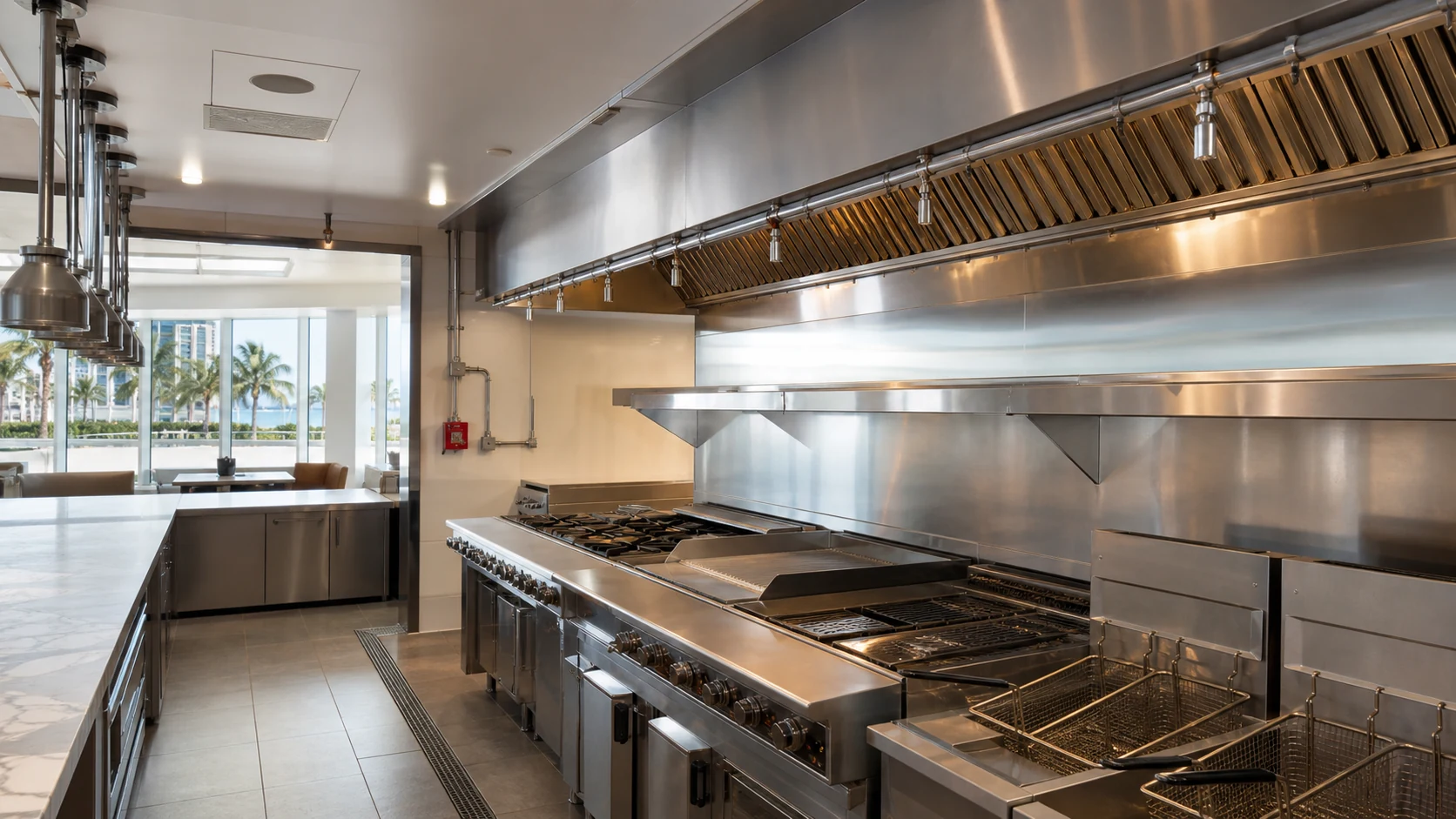
Commissary and Shared Kitchen Fire Suppression in Palm Beach County
Kitchen Hood Fire Suppression Palm Beach serves Palm Beach County commissaries, shared-use kitchens, catering operations, and food-production facilities where several users or changing production schedules can complicate system responsibility.
Fire Suppression Inspection Planning for Palm Beach County Shared Kitchens
Palm Beach County shared-kitchen operators should provide one responsible site contact, the current service tag, fire suppression system records, user-access schedule, and a clear description of protected equipment.
If several hoods or cooking lines are present, identify each one separately. Clear records help establish which installed kitchen fire suppression system serves each protected area.
The facility operator should identify who controls the fixed kitchen fire suppression system, maintains its records, authorizes access, and approves corrective work. That responsibility is especially important where several users share the facility.
Individual tenants should not move protected appliances, alter nozzles, obstruct manual pull stations, or arrange independent fire suppression system work without coordinating with the party responsible for the installed equipment.
A shared facility may change menus, tenants, and production needs more often than a single-user restaurant. Those operational changes make accurate appliance and system records particularly useful.
Planning an equipment or production change? Coordinate it with the party responsible for the installed kitchen fire suppression system.
Talk It ThroughPalm Beach County Commissary Service After Equipment Changes
Frequent appliance movement, tenant turnover, or changed production in a Palm Beach County commissary can affect the relationship between the kitchen fire protection system and the hazards beneath the hood.
Complete Facility Details
Submit complete cooking-line photographs, equipment information, current records, and a description of what changed. This information helps clarify the requested kitchen fire suppression service.
Recurring Inspection
Recurring inspection is one service path. The responsible party can coordinate records, access, and the protected equipment information needed for the visit.
Repair or Deficiency Correction
Component repair and deficiency correction are different requests from recurring inspection. Describe the condition and provide current records when requesting service.
Appliance-Change Modification
Appliance-change modification is also distinct from routine service. Equipment movement or an altered cooking line may affect the relationship between the installed system and the hazards beneath the hood.
Accurate information helps establish the appropriate service path for a shared, commissary, production, or catering kitchen.
Keep Shared-Kitchen Fire Protection Records Current
A shared commercial kitchen depends on clear coordination between the facility operator, users, and the party responsible for the installed kitchen fire suppression system. Keep the current service tag and system records available for review.
Responsible Site Contact
Provide one responsible site contact who can coordinate access, records, and authorization for corrective work affecting the installed system.
Current Service Tag
Keep the current service tag available with fire suppression system records so the responsible party can provide complete facility details.
Protected Equipment
Describe the protected equipment under each hood or cooking line, particularly when tenants, menus, or production needs have changed.
Access and Authorization
Coordinate user access and authorization before arranging work on the installed kitchen fire suppression system.
Shared-kitchen planning begins with clear responsibility, current records, and accurate information about protected equipment.
Not sure which service path applies? Share the cooking-line details, current records, and a description of what changed.
Prepare Facility DetailsWhat Shared Kitchens Should Coordinate Before Service
Kitchen Hood Fire Suppression Palm Beach works with Palm Beach County shared-use kitchens, commissaries, catering operations, and food-production facilities. The service request is more useful when the responsible party can identify the installed system, protected equipment, records, access schedule, and any operational changes.
Several Users
Several users can share a facility while one party remains responsible for coordinating the installed kitchen fire suppression system, records, access, and authorization.
Changing Production
Changing menus, tenants, and production needs can alter how the cooking line is used. Describe the change when arranging inspection, repair, or modification service.
Protected Appliances
Protected appliances should not be moved or rearranged without coordination. An altered arrangement may affect the relationship between the system and the hazards beneath the hood.
System Records
Current service tags and fire suppression system records help the responsible party provide a complete request and support accurate service planning.
For appliance-change system evaluations, submit complete cooking-line photographs, equipment information, current records, and a description of what changed.
Coordinate Access for a Shared Commercial Kitchen
A shared commercial kitchen may have user-access schedules that differ from a single-user operation. Include the facility access schedule when requesting kitchen fire suppression inspection or service.
The responsible party should coordinate access with users and identify the site contact who can provide records and approve corrective work. This helps distinguish routine service from an equipment-change or deficiency-related request.
Several hoods or cooking lines should be identified separately before the visit. Each protected area may need its own equipment description and service information.
A clear description of the facility supports planning for shared-use kitchens, catering facilities, commissaries, and food-production operations in Palm Beach County.
Prepare appliance and facility details before requesting service so the appropriate kitchen fire suppression service path can be established.
Kitchen Fire Suppression Services for Shared Kitchens
Shared and commissary kitchens may need recurring inspection, maintenance, repair and deficiency correction, recharge and reset, modification, or installation and replacement evaluations based on the system and the request.
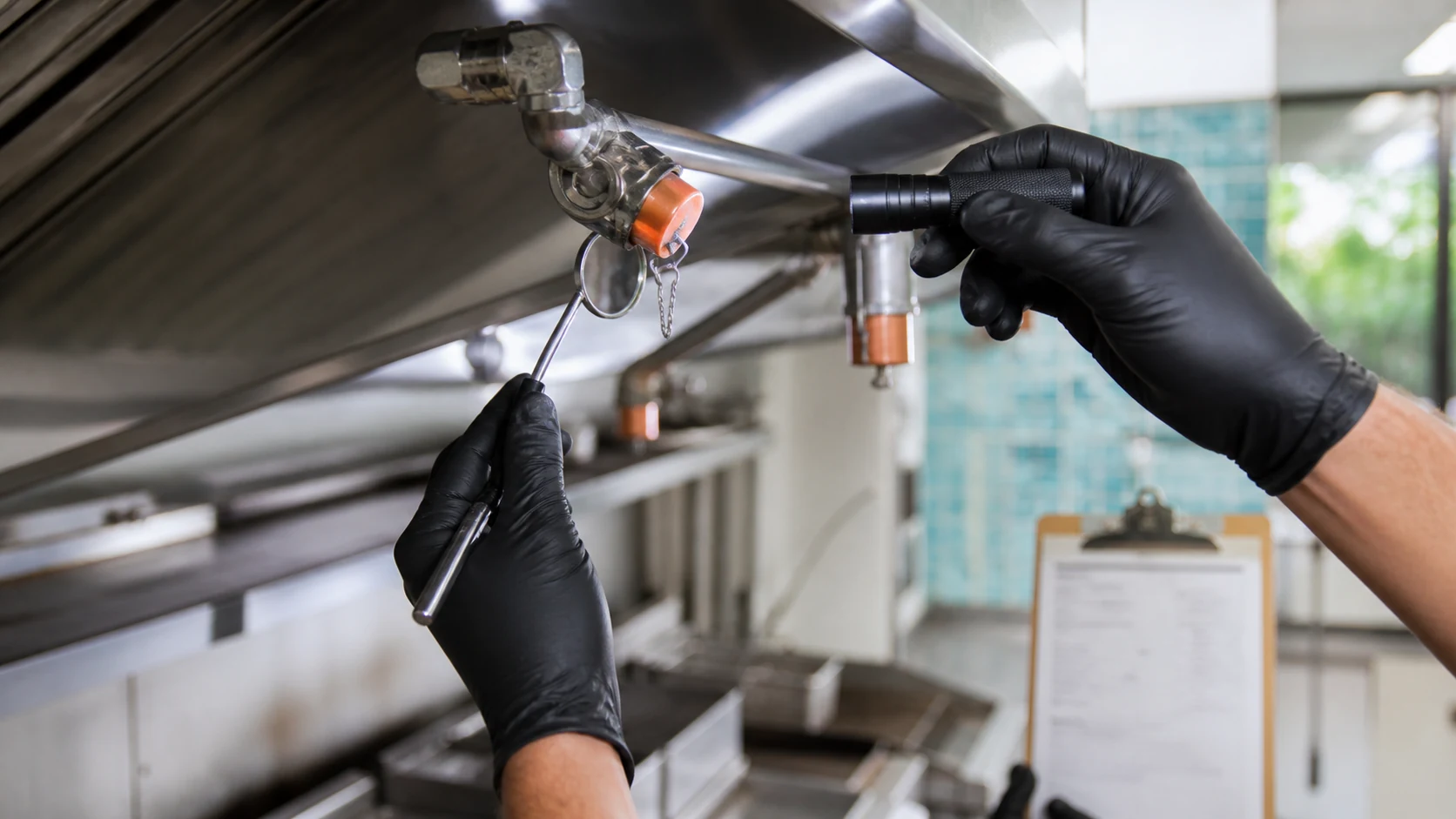
Inspection
Arrange kitchen hood fire suppression inspection with current service records, protected equipment details, and a coordinated access schedule.
View service →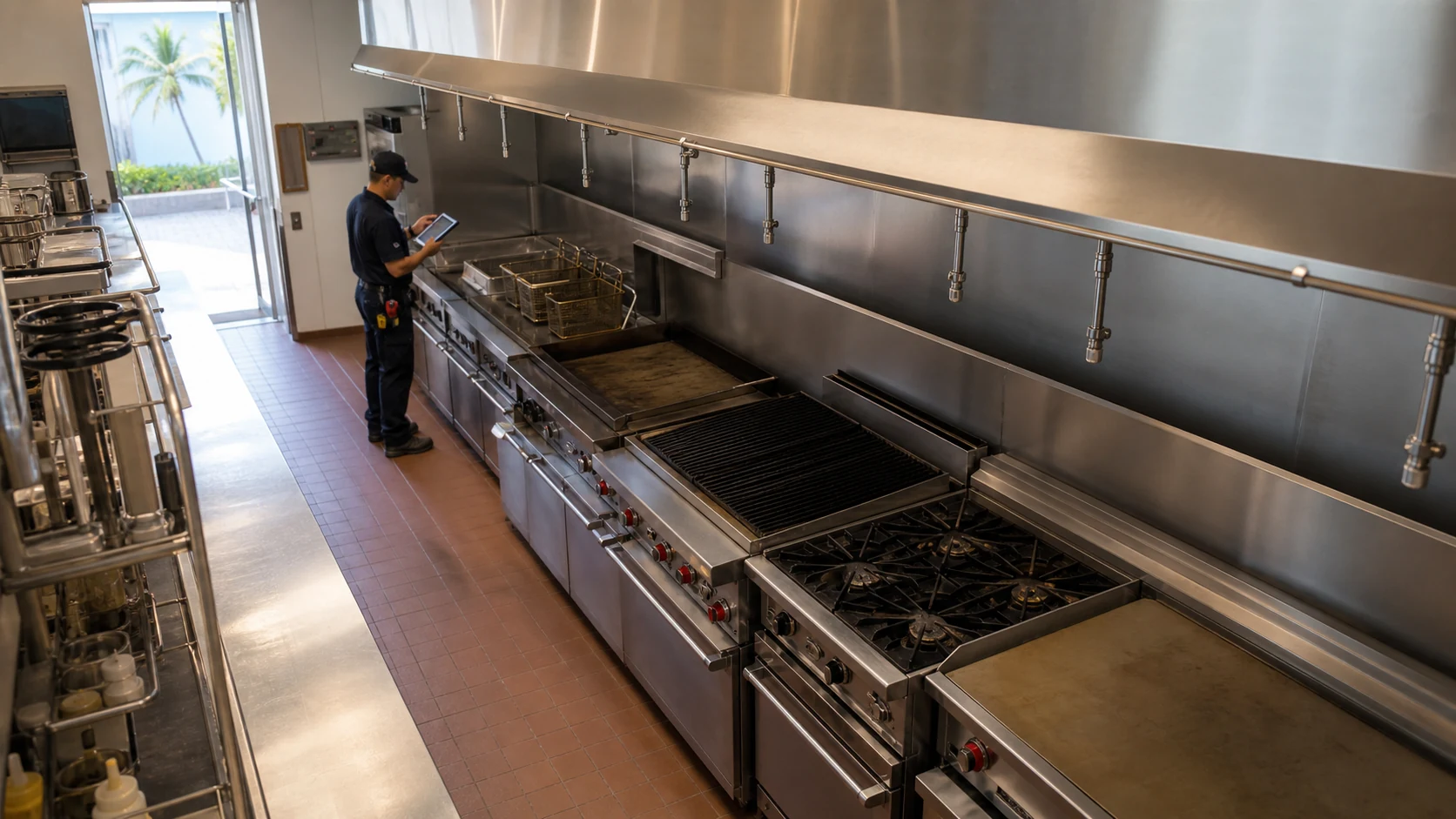
Recharge and Reset
Request recharge and reset service for an installed kitchen fire suppression system when the responsible party can provide system and facility details.
View service →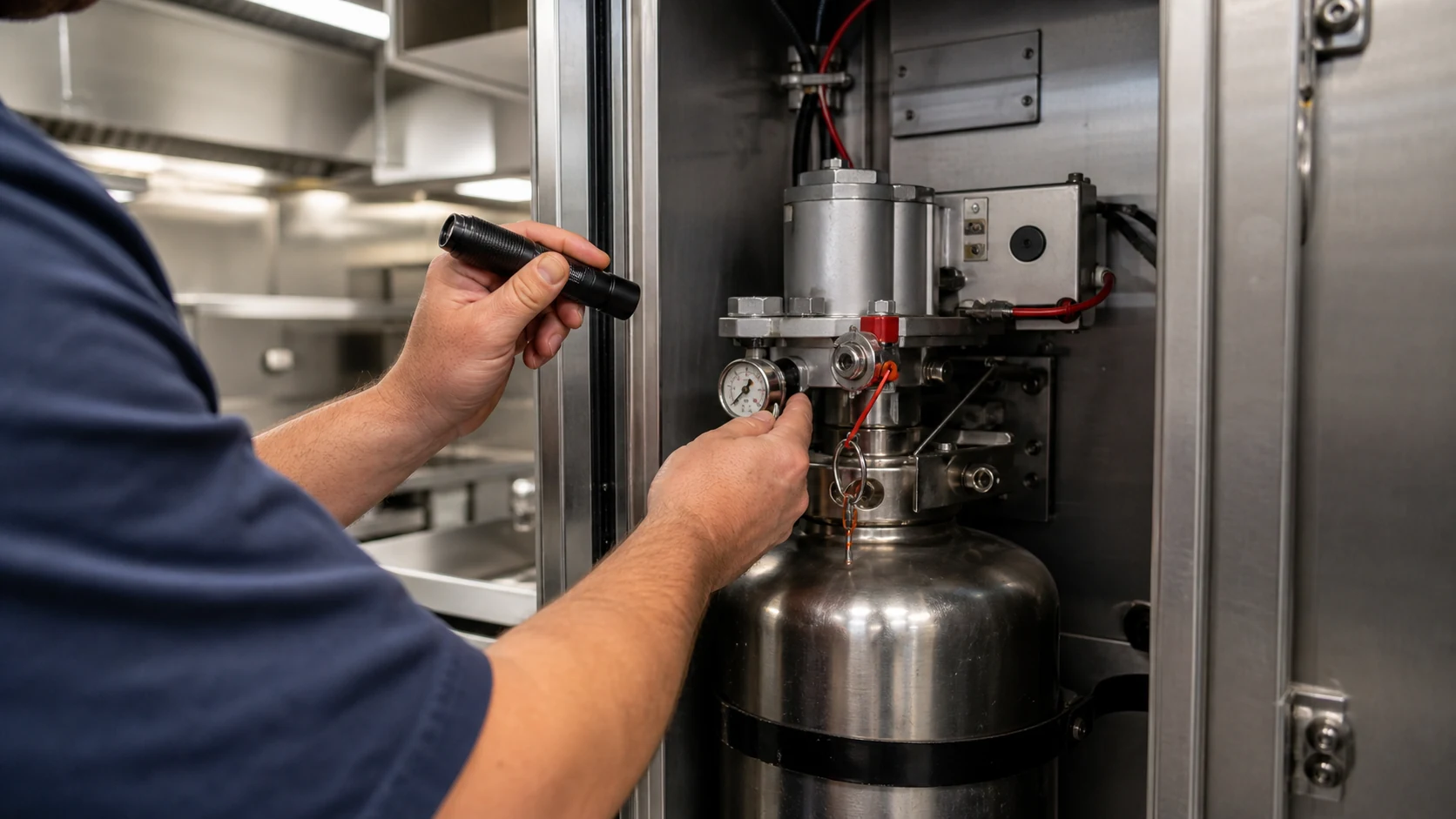
Repair and Deficiency Correction
Provide the current records and a description of the condition when requesting repair or deficiency correction for a shared commercial kitchen.
View service →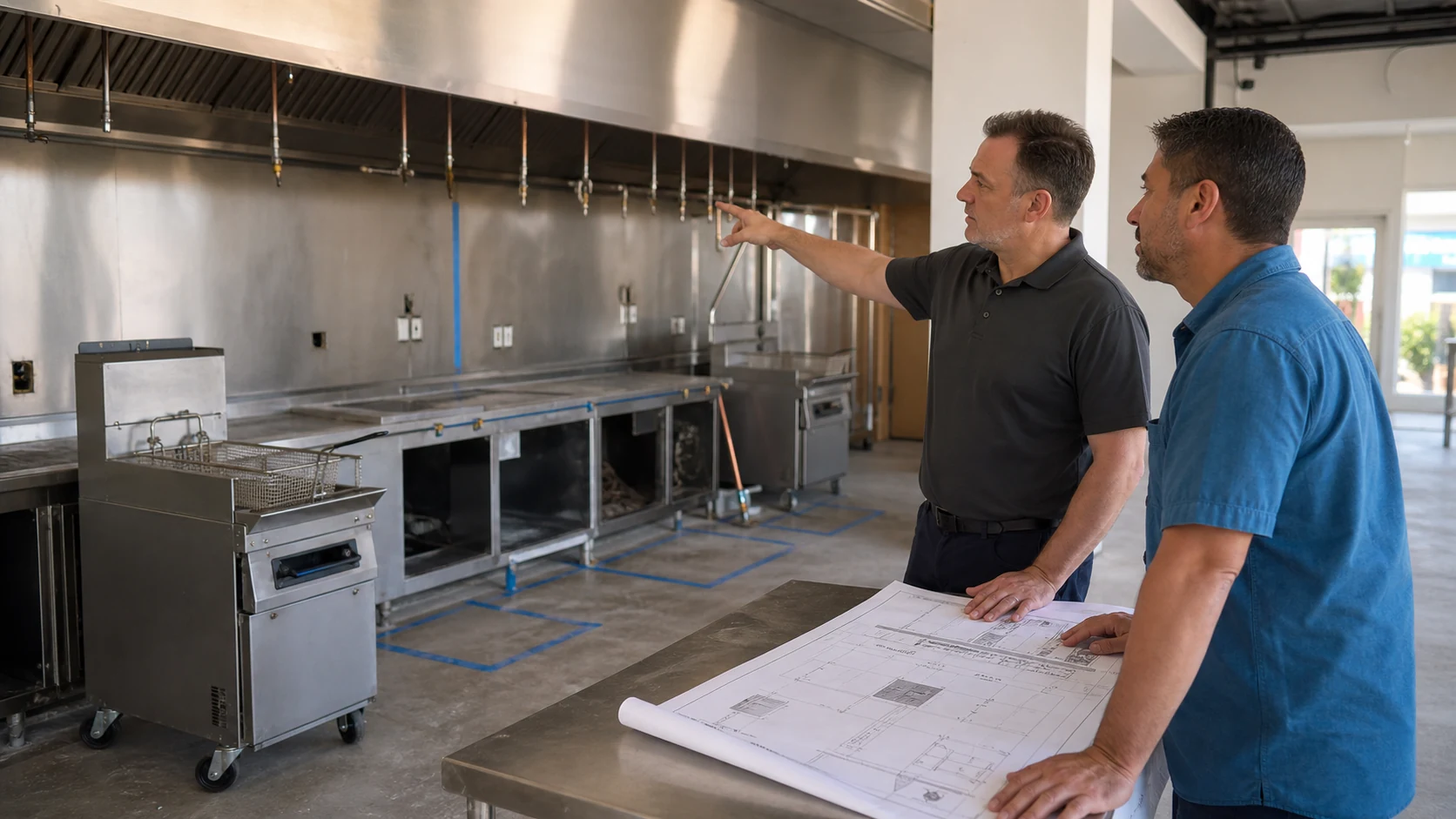
Installation and Replacement
Installation and replacement evaluations can be requested for shared, commissary, production, and catering kitchens in Palm Beach County.
View service →
System Modification
Appliance movement, tenant turnover, or a changed cooking line can call for an appliance-change system evaluation rather than routine recurring service.
View service →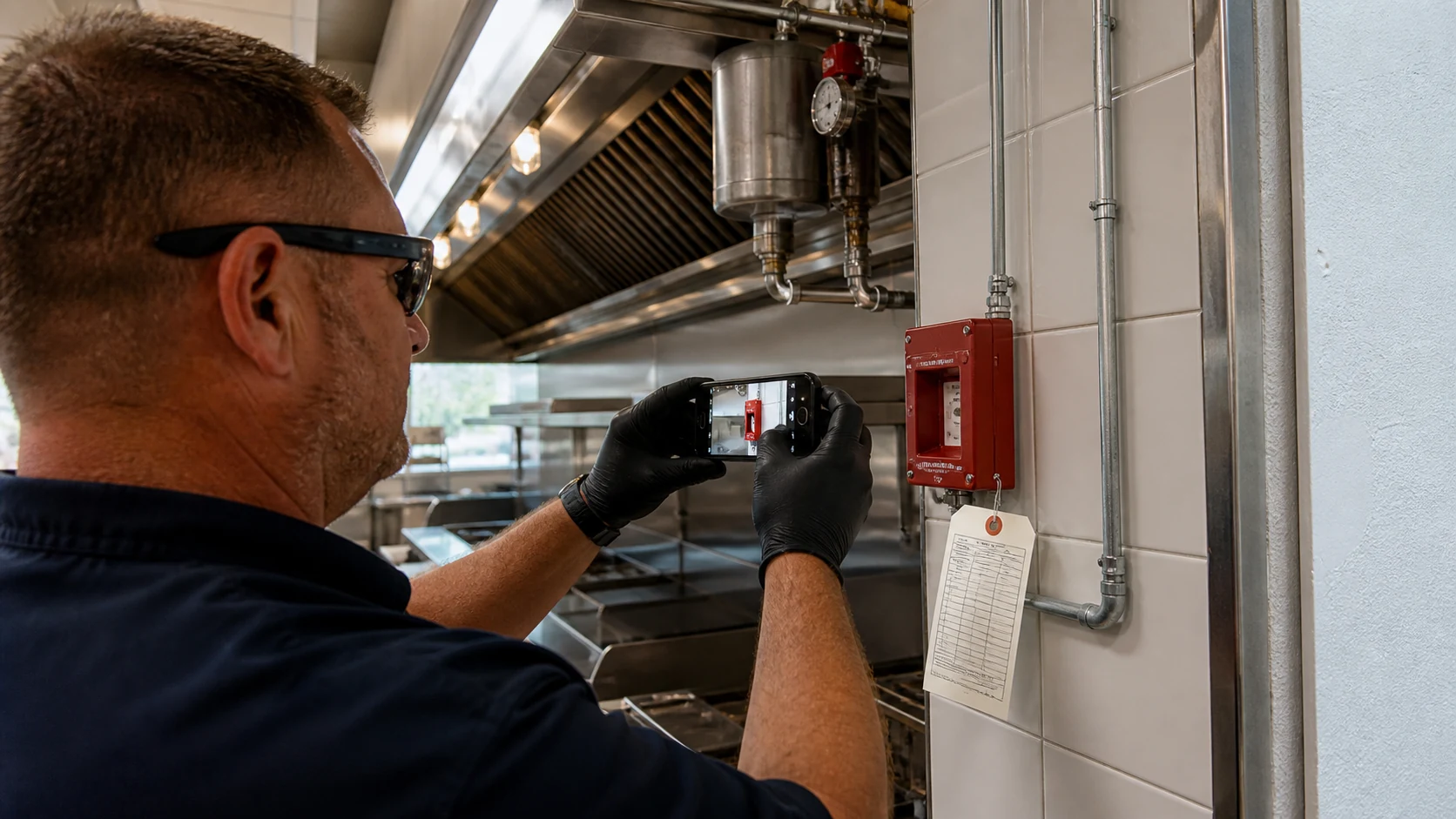
Maintenance
Recurring maintenance and inspection planning should account for the responsible site contact, records, protected equipment, and user-access schedule.
Request ServiceShared Commercial Kitchen FAQs
For appliance-change system evaluations, provide complete cooking-line photographs, equipment information, current records, and a description of what changed.
Request Commissary Kitchen Fire Suppression Service
Request service for a Palm Beach County commissary, shared-use kitchen, catering facility, or food-production kitchen. Include the protected equipment, current records, access schedule, and details of any changes to the cooking line.