
Fire Suppression Service Coordination for Palm Beach County Facility Managers
Kitchen Hood Fire Suppression Palm Beach works with property and facility managers responsible for one or multiple Palm Beach County commercial kitchens. A structured request should identify each tenant or department, fire suppression service date, open concern, access procedure, and responsible on-site contact.
Organize Inspections and Corrective Service Across Palm Beach County Kitchens
Palm Beach County facility managers should create a location list with separate entries for each property and protected cooking area. Include the facility name, address, municipality, kitchen identifier, service-tag date, site contact, and known deficiency.
Do not combine unrelated fire suppression reports because several kitchens share one building or ownership group. Hotels, healthcare facilities, schools, campuses, and multi-tenant properties may have different systems and service histories within the same location.
A complete request helps distinguish each protected cooking area and the records associated with it. Listing the property, kitchen identifier, service-tag date, and current concern gives facility teams a practical starting point for inspection, maintenance, repair, modification, or documentation follow-up.
For properties with more than one kitchen, retain separate records and contacts for each fire suppression system. A portfolio may require coordination across distinct tenants, departments, access procedures, and service histories.
Include gate, parking, loading, security, escort, elevator, and work-control instructions before scheduling. Access details help facility managers prepare the property and identify the appropriate on-site contact.
Managing several kitchens or properties? Start with a clear location list and separate system records.
Discuss Your RequestOne Property Can Have Several Kitchen Service Histories
A managed property can include more than one Palm Beach County commercial kitchen, even when the kitchens share a building, ownership group, or facility department. Each protected cooking area should have its own location entry, service information, contact, and documented concern.
Each Property
List each property separately, including its facility name, address, municipality, and the responsible on-site contact.
Each Kitchen
Identify each protected cooking area with a kitchen identifier, tenant or department, fire suppression service date, and known concern.
Each Open Concern
State whether the request concerns inspection, repair, reinspection, modification, records follow-up, or another needed fire suppression service.
Each Record
Keep fire suppression system records separate for each property and kitchen. Several kitchens under one ownership group do not make their reports interchangeable.
Separate records, contacts, and concerns make it easier to coordinate a single property or an organized portfolio. See report and service-tag follow-up for documentation coordination.
Prepare Property Access Before Scheduling Service
Access planning is an important part of coordinating fire suppression service across Palm Beach County properties. Facility managers should provide the information needed to reach the correct property, kitchen, and protected cooking area.
Gate and Parking
State the entry, parking, and loading instructions that apply at the property.
Security and Escort
Describe security requirements, escort procedures, and the on-site contact responsible for access.
Kitchen Identification
Provide the tenant or department and kitchen identifier so service coordination is tied to the correct protected cooking area.
Work-Control Details
Include elevator, work-control, and other property instructions before scheduling.
Good access information supports an organized request for commercial kitchen hood fire suppression and fire protection services.
Not sure what to include? Start with the property, kitchen, contact, service date, concern, and access procedure.
Review Inspection ServicePalm Beach County Deficiency and Documentation Coordination
Palm Beach County managers should attach original notices and state any third-party deadline without implying guaranteed approval or completion. The likely next step may be inspection, repair, reinspection, modification, or records follow-up.
Original Notices
Attach original notices so the documented concern and requested follow-up can be reviewed in context.
Third-Party Deadlines
State any third-party deadline when submitting the request. Approval decisions remain with the applicable reviewing party.
Work Authorization
Clarify whether the property owner, tenant, facility department, or contractor is authorizing the work.
Documentation Recipient
Identify who should receive documentation after the requested fire suppression system service or follow-up.
Clear authorization and documentation instructions reduce confusion when corrective decisions are required. For managed-property kitchen projects, visit managed-property kitchen projects.
Coordinate Service for a Single Property or Organized Portfolio
Facility managers may submit a request for one property or several Palm Beach County properties. For every location, provide separate fire suppression system records, contacts, concerns, and access details.
A structured request should identify each tenant or department, the fire suppression service date, any open concern, the access procedure, and the responsible on-site contact. This information helps keep each kitchen and record distinct.
When a deficiency or notice requires follow-up, include the original notice and explain whether inspection, repair, reinspection, modification, or records follow-up may be needed. State any third-party deadline without representing it as a guarantee of approval or completion.
Clarify the party authorizing the work and the party receiving documentation. The property owner, tenant, facility department, and contractor may have different responsibilities within a managed commercial kitchen.
For service options, review commercial kitchen hood fire suppression services and submit the available property information with your request.
Commercial Kitchen Fire Suppression Services for Managed Properties
Kitchen Hood Fire Suppression Palm Beach provides commercial kitchen hood fire suppression and fire protection services for inspection, recurring service, maintenance, repair and deficiency correction, recharge and reset, modification, installation, and replacement evaluations.
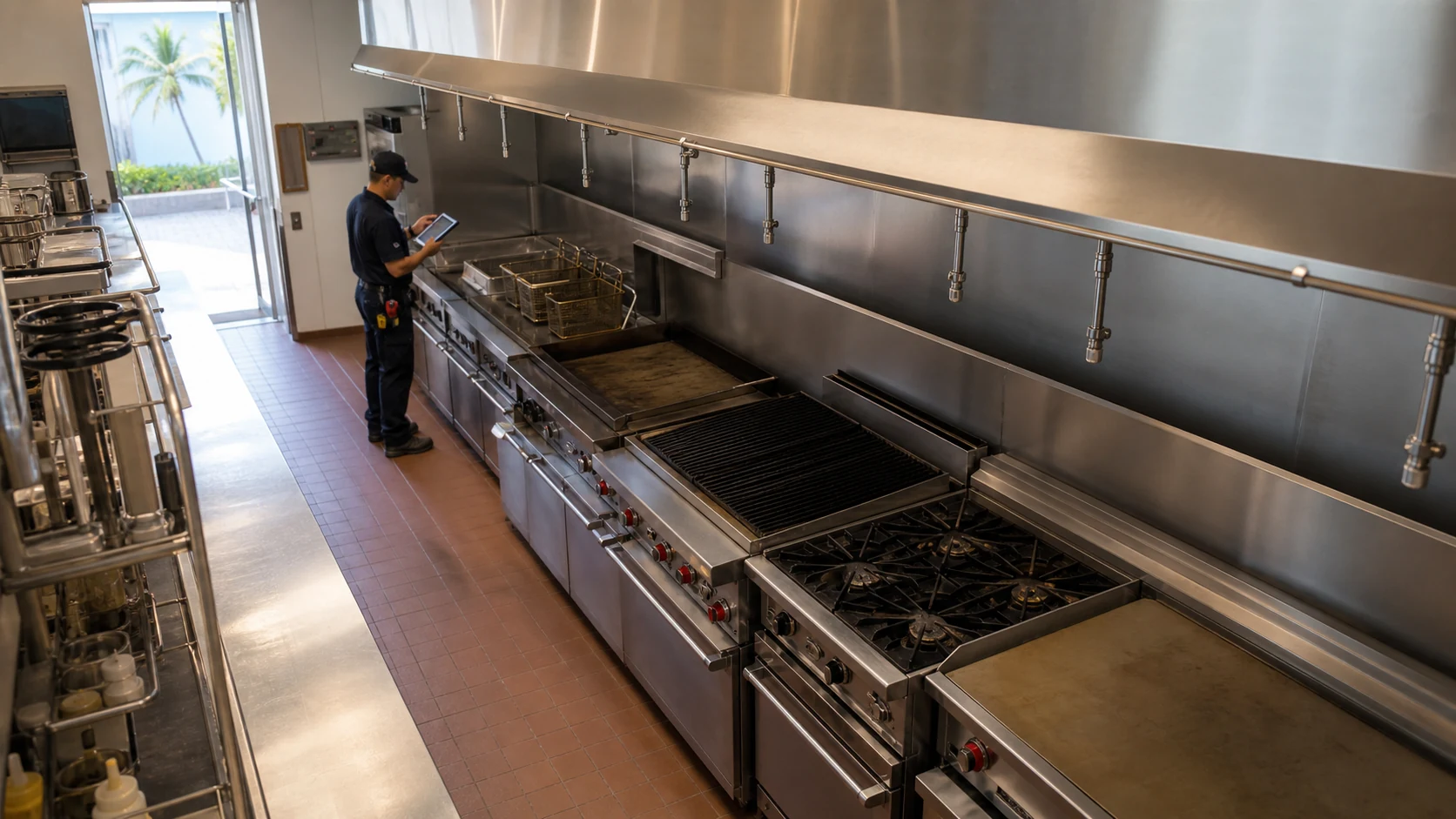
Inspection
Coordinate inspection service by providing the property, protected cooking area, service-tag date, contact, and access details.
View service →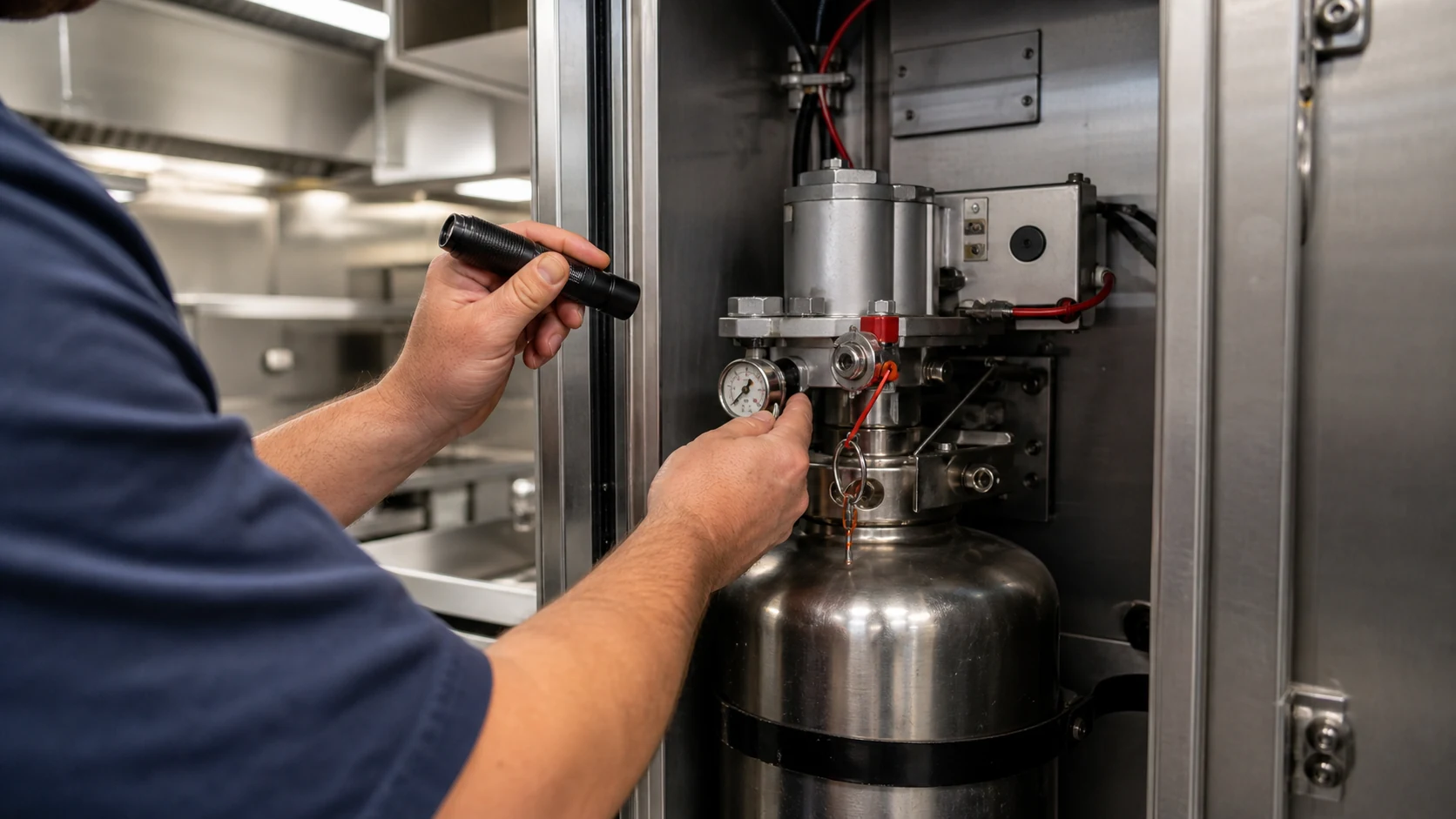
Repair and Deficiency Correction
Provide original notices, the known deficiency, authorization details, and any stated third-party deadline for corrective service coordination.
View service →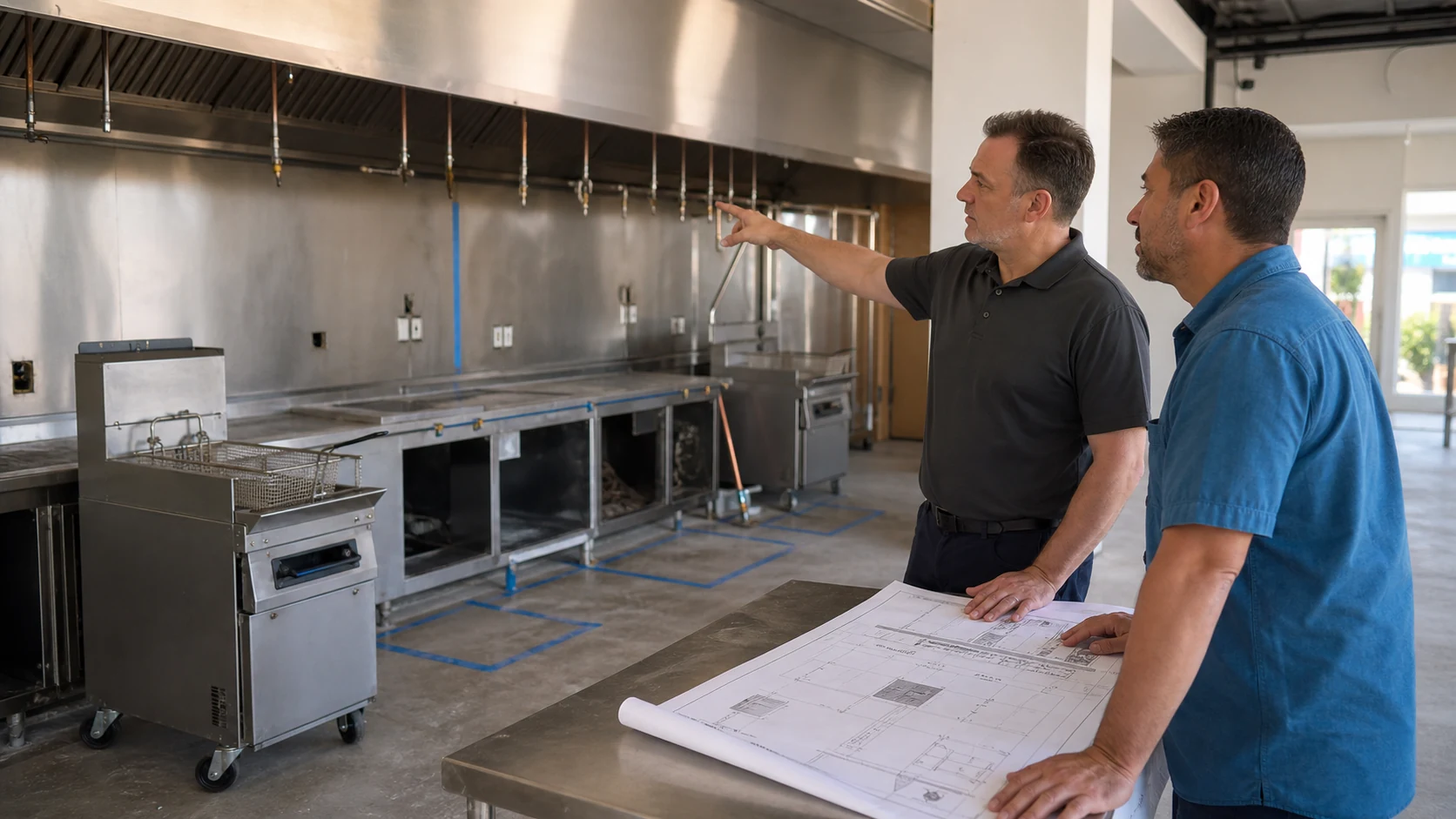
Recharge and Reset
For recharge and reset coordination, identify the affected property, kitchen, on-site contact, and current system concern.
View service →
Modification
When a protected cooking area changes, provide the property and kitchen information so modification needs can be reviewed.
View service →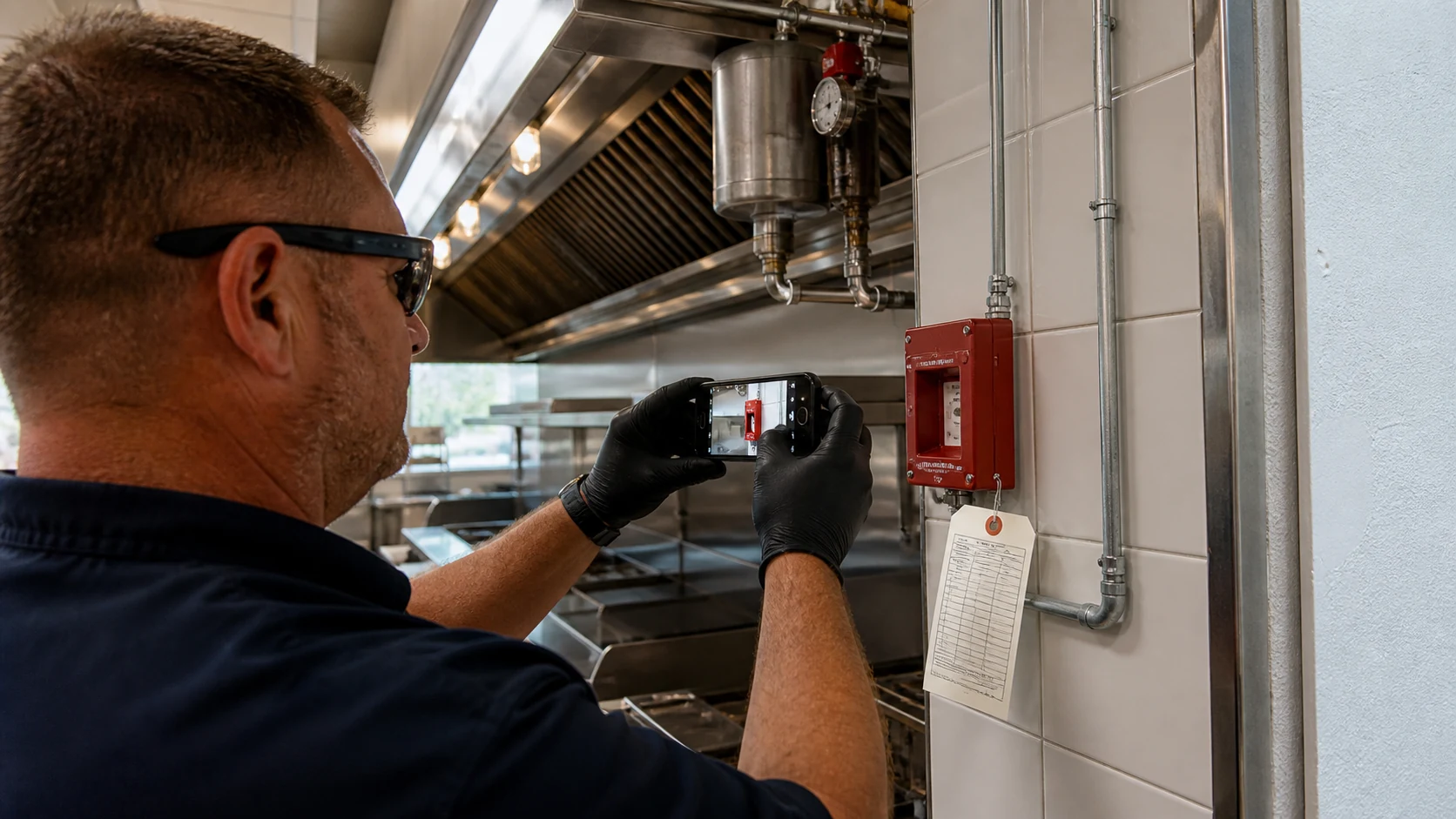
Installation and Replacement
For installation and replacement evaluations, identify the property, cooking area, responsible contact, and access procedure.
View service →
Reports and Service Tags
Keep records organized by property and protected cooking area, and include service-tag dates and original notices when requesting follow-up.
View service →Facility Manager Fire Protection FAQs
For Palm Beach County facility manager fire suppression coordination, requests should distinguish each property and protected cooking area. Separate records and clear access instructions support inspection, corrective service, reinspection, modification, and documentation follow-up.
Start With a Clear Property and Kitchen List
For each Palm Beach County property, send the facility name, address, municipality, kitchen identifier, fire suppression service date, known concern, access procedure, and responsible on-site contact. Kitchen Hood Fire Suppression Palm Beach can discuss a single property or an organized portfolio.